Sleep apnea and orthodontics: how to finally sleep well
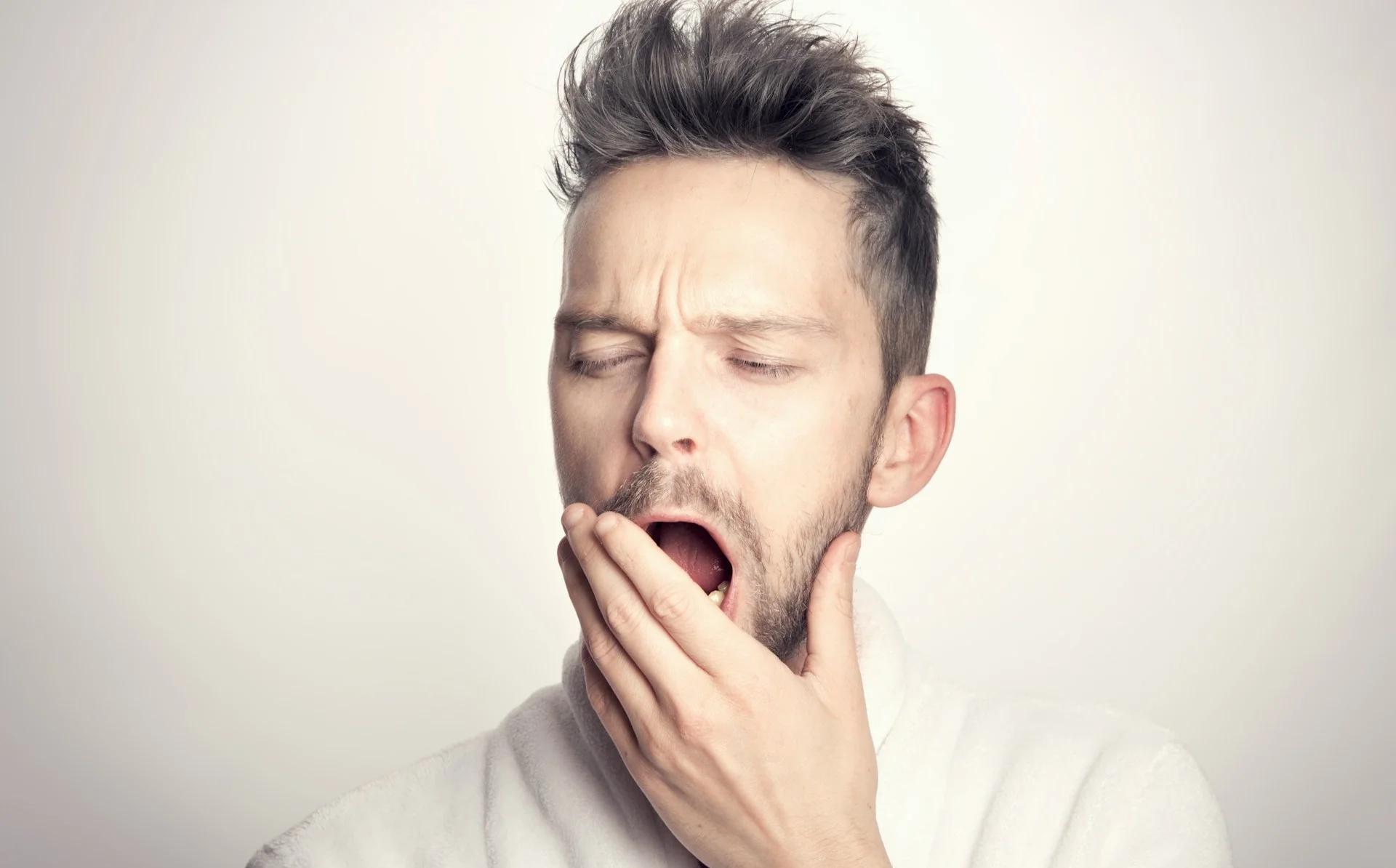
Do you wake up tired even after sleeping a full night? Does your partner say you snore loudly? The solution might be closer than you think — and it has to do with your teeth.
Orthodontics isn’t just about beautiful smiles: it can also help you breathe better at night.
What causes sleep apnea?
Sleep apnea happens when breathing stops during sleep, sometimes for several seconds, multiple times a night. This prevents you from reaching the deep, restorative sleep stages, and you wake up exhausted.
Many factors can cause it: excess weight, nasal problems, sleeping position, alcohol. But some causes are directly related to the structure of your mouth and jaw:
- Jaw position
- A narrow palate
- The tongue falling back during sleep
- Abnormalities in the bones of the skull or face
When the root cause is structural, orthodontics can make an enormous difference.
Snoring: when should you worry?
Not all snoring is sleep apnea. Simple snoring affects about 25% of adults and is usually harmless — it’s just air passing through partially narrowed airways.
Sleep apnea is more serious: it affects about 4% of adults and is suspected when, beyond snoring, you feel excessive daytime drowsiness despite having slept enough.
If that sounds familiar, it’s worth looking into.
How can orthodontics help?
Orthodontic treatment works directly on the structures that may be causing or worsening the problem:
Aligning the jaw
When the jaw isn’t properly positioned, it can obstruct the airway during sleep. Correcting that alignment with aligners or braces opens the path for air to flow freely.
Widening the palate
A narrow palate reduces the available space in the mouth and can contribute to apnea. Palatal expansion creates more room and makes breathing easier.
Improving tongue position
The tongue needs to stay in the right place when you sleep. If it tends to fall back, it can block the airway. Orthodontics can guide it into a more functional position.
Mandibular advancement devices
For cases where external factors (like weight or medication) make it hard to eliminate the problem at its root, there’s a special appliance — the mandibular advancement device — that keeps the jaw positioned to hold the airway open through the night.
Which medications make sleep apnea worse?
Some medications relax the throat muscles too much: sedatives, certain prescription pain relievers, and general anesthetics can worsen obstructive sleep apnea. If you take any of these, mention it to your doctor and your orthodontist.
Good sleep changes everything
Treating sleep apnea isn’t just about snoring less. It’s about recovering your energy, your focus, your mood. It’s about taking care of your heart and blood pressure. It’s about waking up truly rested.
If you think sleep apnea might be affecting your quality of life, I encourage you to bring it up. At MG Ortodoncia Invisible we evaluate your case holistically and walk you through all the treatment options available.
Want to know if your situation could benefit from orthodontics? Book a consultation and we’ll figure it out together.