Orthodontics and bruxism: smile without the tension
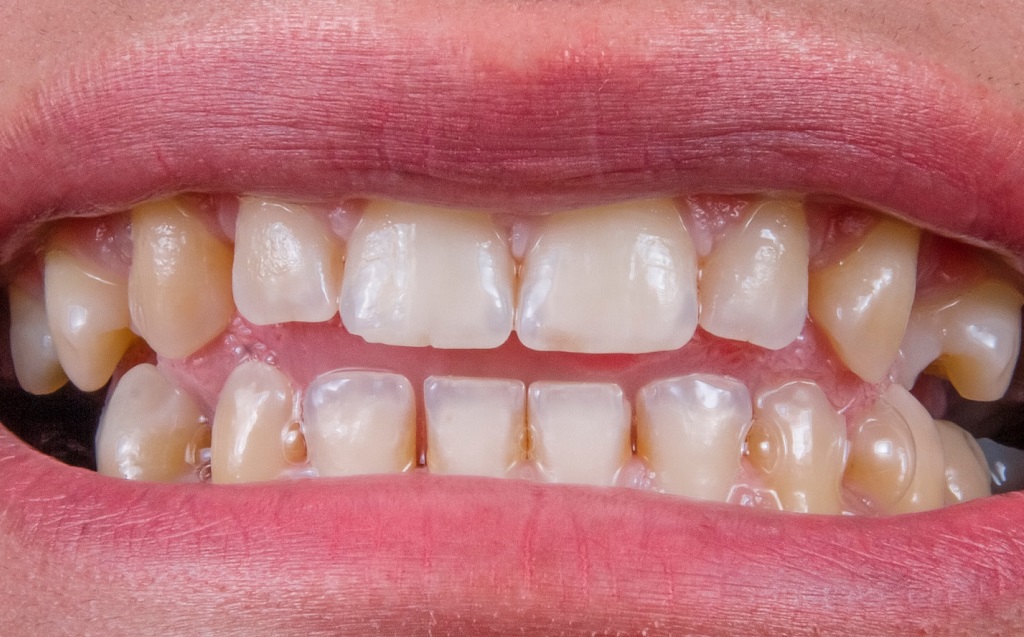
Do you wake up with jaw pain or headaches? Does your partner tell you that you grind your teeth at night? You might have bruxism — and if so, you’re far from alone. It’s much more common than most people realize.
The good news is that orthodontics can be a powerful ally in managing it.
What is bruxism?
Bruxism is the involuntary habit of clenching or grinding your teeth, usually during sleep. Many people don’t know they do it until a dentist points out the wear — or until a partner mentions it.
Stress and anxiety are common triggers, but the way your teeth fit together (your bite) also plays a big role. When the teeth don’t align correctly, the jaw searches for a more comfortable resting position during sleep, and that search often translates into tension and grinding.
What damage can it cause?
Left untreated, bruxism can:
- Wear down tooth enamel, making teeth more sensitive and cavity-prone
- Crack or fracture teeth
- Cause chronic pain in the jaw, neck, and ears
- Create problems with the temporomandibular joint (TMJ) — the hinge connecting your jaw to your skull
- Shift your bite over time, making chewing or speaking uncomfortable
How does orthodontics help?
Orthodontics doesn’t just straighten teeth — it also corrects how your bite fits together. That’s where the key lies.
When teeth align correctly, the jaw rests in a more natural, balanced position. That reduces the muscular tension that drives bruxism and, in many cases, significantly relieves the symptoms.
Invisible aligners have an added advantage: they act as a kind of cushion during the night, absorbing the impact of clenching while simultaneously correcting tooth position.
Concrete benefits of orthodontic treatment for bruxism
- Correcting the bite: removes one of the structural causes of the problem
- Reducing pain: less jaw tension means fewer headaches and a more comfortable morning
- Protecting enamel: well-positioned teeth wear more evenly and predictably
- Improving sleep quality: when the jaw rests comfortably, you sleep better
- Preventing future damage: avoids fractures, excessive wear, and joint problems down the road
Complementary treatments
Orthodontics addresses the problem at its root, but it’s often combined with other approaches:
- Custom night guard: a fitted plate worn at night to protect teeth while the orthodontic treatment progresses
- Relaxation techniques: meditation, yoga, or breathing exercises that reduce the stress feeding the bruxism
- Lifestyle adjustments: limiting excess caffeine, avoiding alcohol at night, not chewing on hard objects (pens, ice)
- Physical therapy: in cases of significant muscle pain, therapeutic massage can relieve accumulated tension in the jaw and neck
How to know if you have bruxism
It isn’t always obvious. The most common signs:
- Jaw or headache pain when you wake up
- Teeth that look flatter or shorter than they used to
- Unexplained tooth sensitivity
- Jaw tiredness during the day
- A partner or family member who hears the grinding at night
If several of these sound familiar, it’s worth bringing up at your next appointment.
Bruxism is manageable. With the right treatment you can sleep without tension, protect your teeth, and keep a strong, healthy smile.
Book your consultation and we’ll figure out what’s best for your case together.