How to take care of your gums during orthodontic treatment
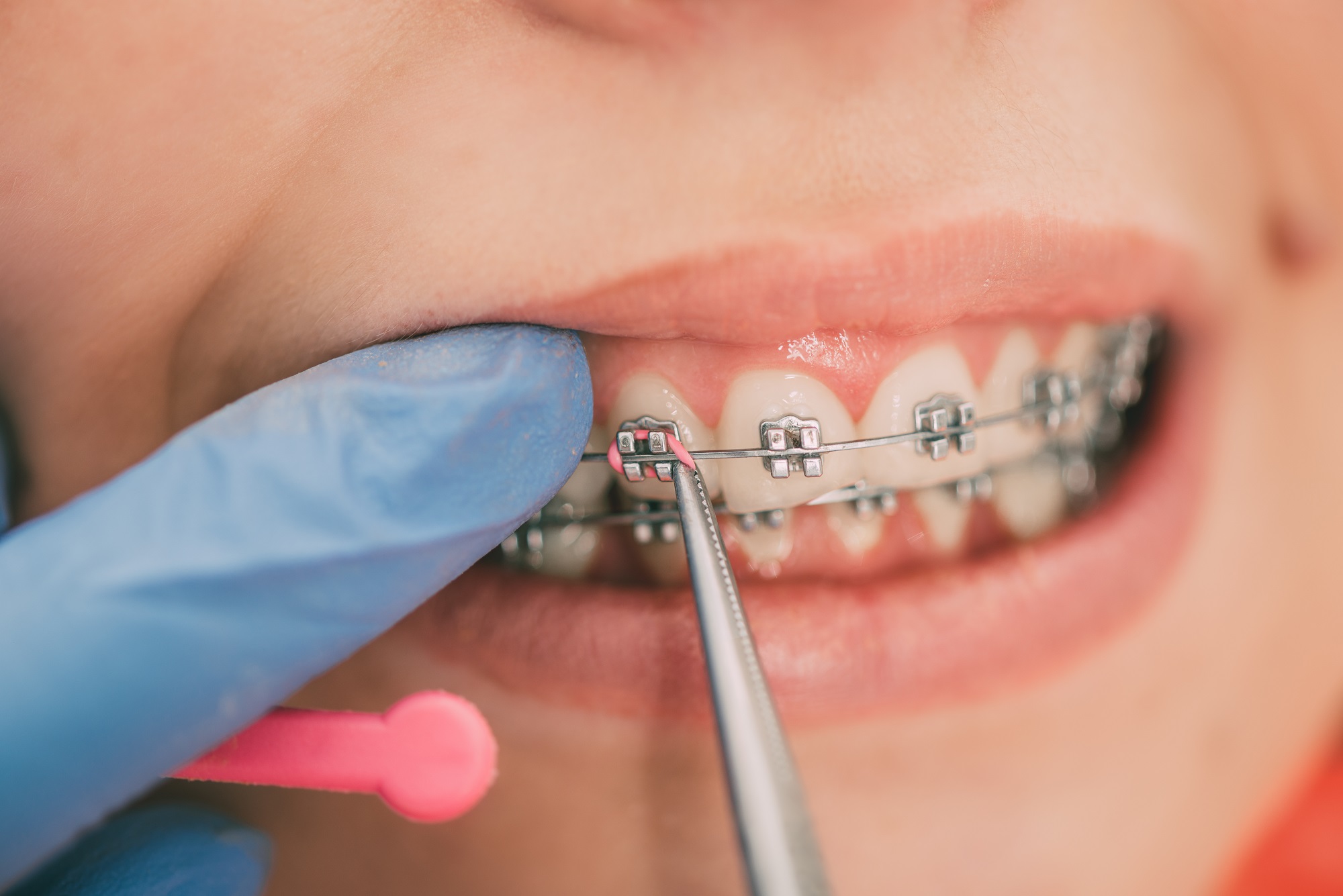
When people start orthodontic treatment, the focus is usually on the teeth — aligning them, closing gaps, correcting the bite. But there’s something equally important that often gets overlooked: the gums.
Your gums are the foundation your smile is built on. If you don’t take care of them during treatment, you could end up with perfectly aligned teeth sitting on compromised gums. And that’s a real problem.
What happens to gums during orthodontic treatment?
Brackets and archwires create new spaces where plaque accumulates easily. Cleaning becomes more challenging, and if we’re not careful, that plaque irritates the gum tissue.
Beyond hygiene, tooth movement itself triggers a natural response in the body: bone remodels, tissues adapt. That’s all normal and expected — but it requires the gums to be in good shape to handle it well.
The most common gum problems during orthodontics
Gingivitis
Gingivitis is inflammation of the gums and is the most common issue during orthodontic treatment. You’ll notice redness, swelling, and bleeding when you brush.
The cause is almost always the same: plaque that wasn’t removed thoroughly enough. The great news is that it’s completely reversible when caught early, with better hygiene and a professional cleaning.
Warning signs:
- Gums bleed when you brush or floss
- They look redder than usual
- They’re swollen or sensitive to the touch
Gingival overgrowth (hyperplasia)
In some cases, the gum tissue grows more than normal around the brackets. This can happen due to poor hygiene, a prolonged inflammatory response, side effects from certain medications, or individual predisposition.
When the tissue grows too much, it can partially cover the tooth surface and complicate treatment. In advanced cases a periodontist may need to intervene, but caught early, improved hygiene is usually enough to reverse it.
How to protect your gums during treatment
The right brushing technique
The V-shaped orthodontic brush is your best tool. Brush at a 45° angle toward the gumline, using gentle circular motions, for at least 3 minutes after each meal.
Flossing with the right tools
Regular floss is hard to use with brackets. Use superfloss (with a stiff tip) or a floss threader to pass the floss under the archwire and clean between each pair of teeth. It feels tedious at first, but it gets quick with practice.
Interdental brushes
Those small tapered brushes clean the spaces between brackets and wire that a regular toothbrush simply can’t reach.
Therapeutic rinses
An antiseptic or fluoride mouthwash (recommended by your hygienist) helps reduce bacteria in those hard-to-clean spaces. It’s not a replacement for brushing and flossing, but a solid complement.
Regular professional cleanings
A professional cleaning every 6 months during treatment — or more often if your hygienist recommends it — is essential. There’s simply no substitute for that deep clean.
Signs you shouldn’t ignore
If you notice any of these, let me know at your next appointment or contact us sooner:
- Persistent bleeding that doesn’t improve with better hygiene
- Intense pain or sensitivity that doesn’t settle
- Gums that appear to be pulling away from the teeth
- Swelling that doesn’t improve
- Any unexplained tooth movement
- Discharge or pus
These symptoms may indicate a need for more specialized periodontal care, and the sooner they’re addressed, the better the outcome.
With aligners it’s easier — but still important
Invisible aligners have a big advantage: you take them out to eat and brush. That allows for a much more thorough cleaning routine.
But here’s the catch: if you put your aligners back in without brushing well, you’re trapping bacteria against your teeth and gums for hours. The rule is simple: before your aligners go back in, teeth must be clean.
Remember: a truly beautiful smile starts with healthy gums. Take care of them and the final result of your treatment will be so much better.
Questions about hygiene during treatment? Let us know — we’re here to help.